免费2026新托福模考 — 100+ 套全真试题
备战2026新托福
提交后1–2分钟出练习预估分,口语写作提供逐句AI反馈。
The button opens PQ26-1, the first Practice Questions test. It is free with a LingoLeap account — the app asks you to sign in first — and Reading and Listening practice never costs credits.
See every published test (104) ↓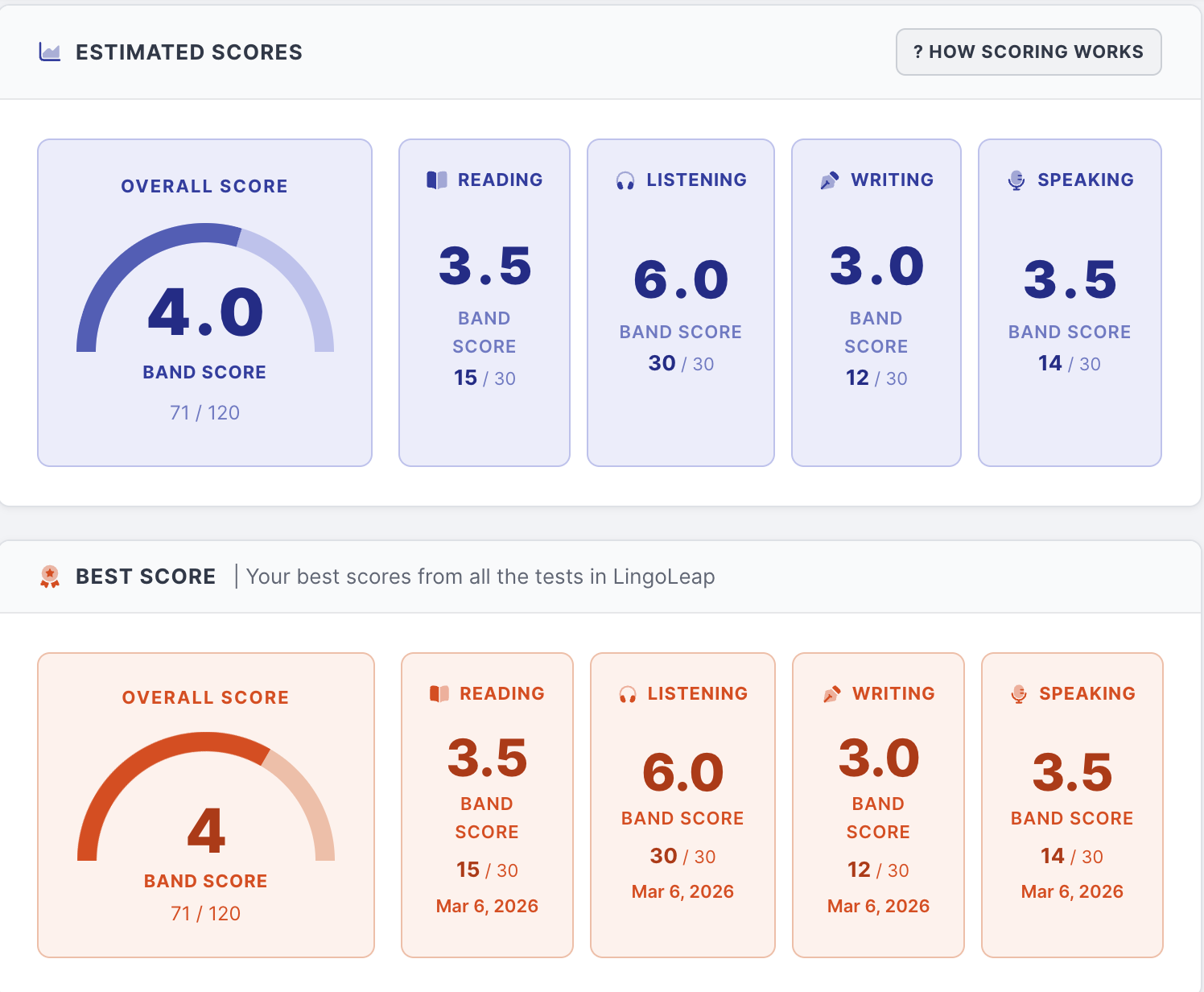 Score Report
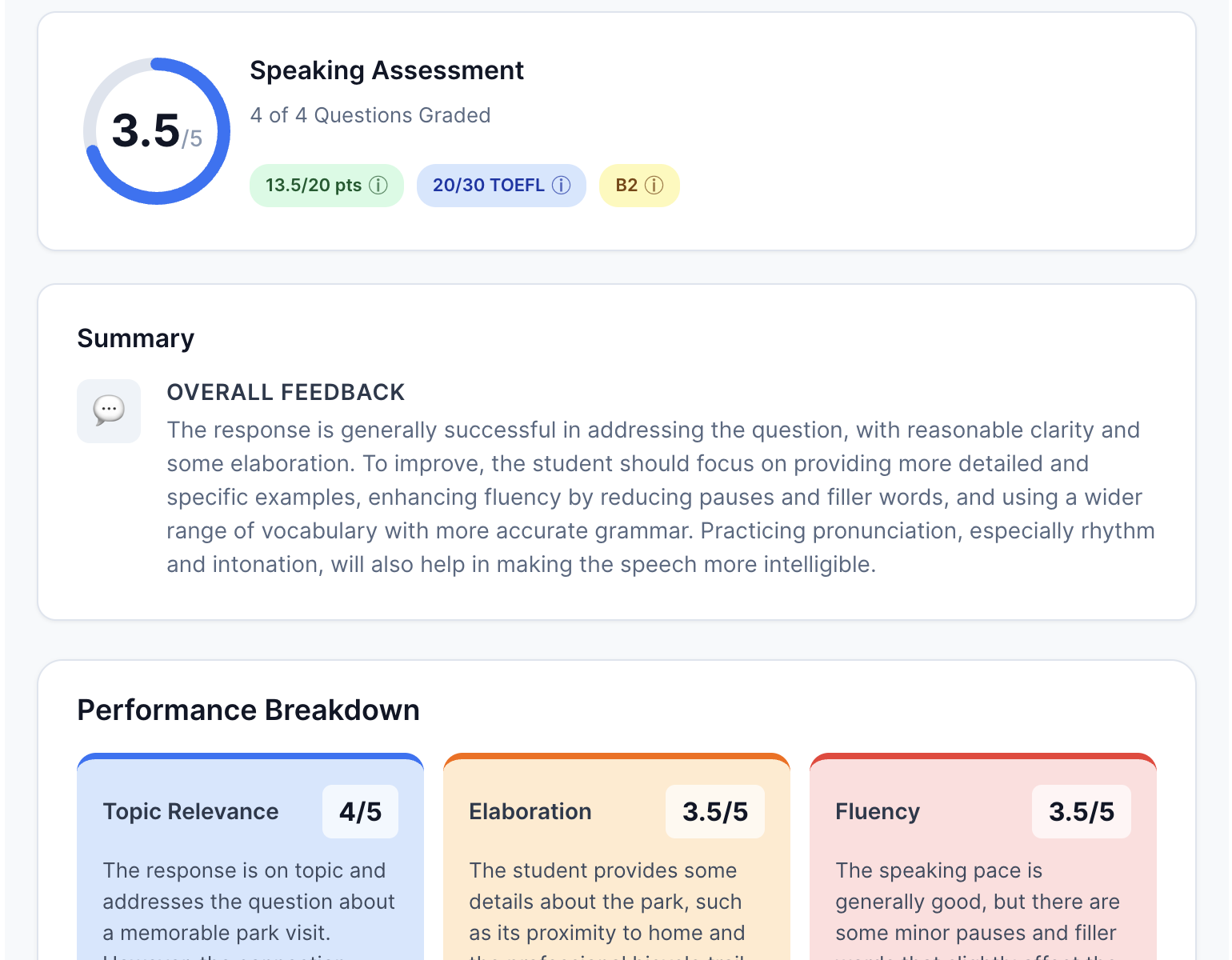 AI Speaking Score
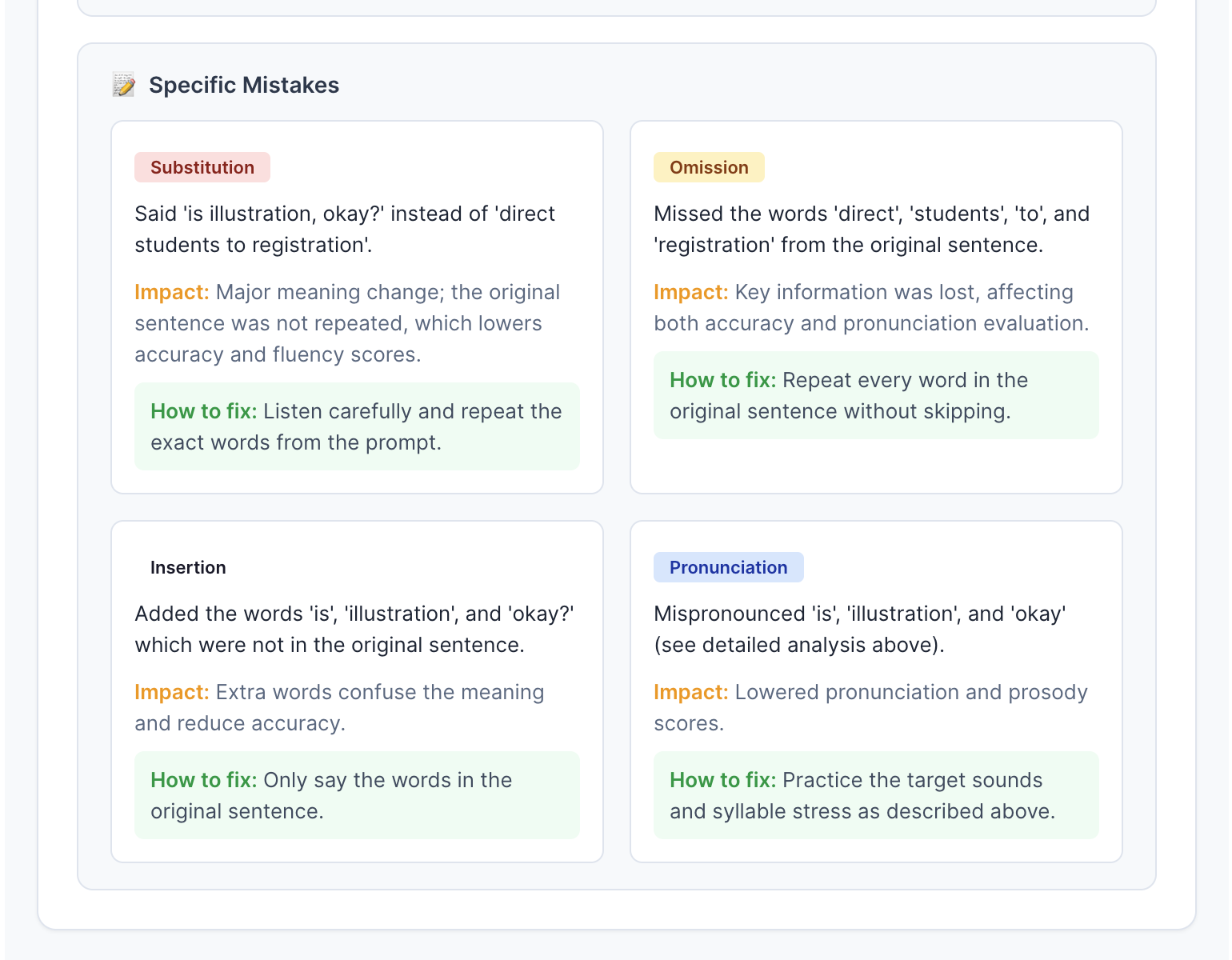 Mistake Analysis
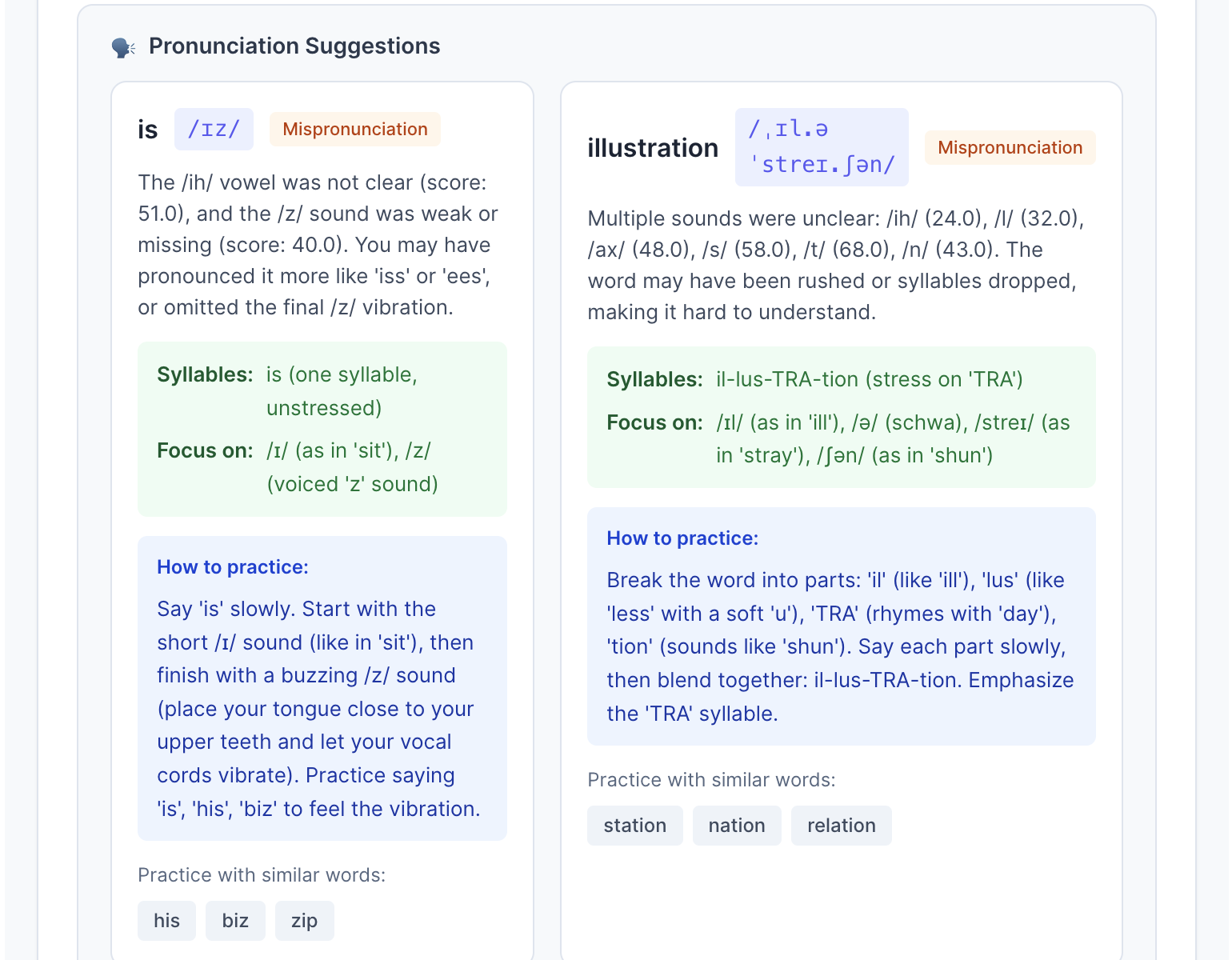 Pronunciation Feedback
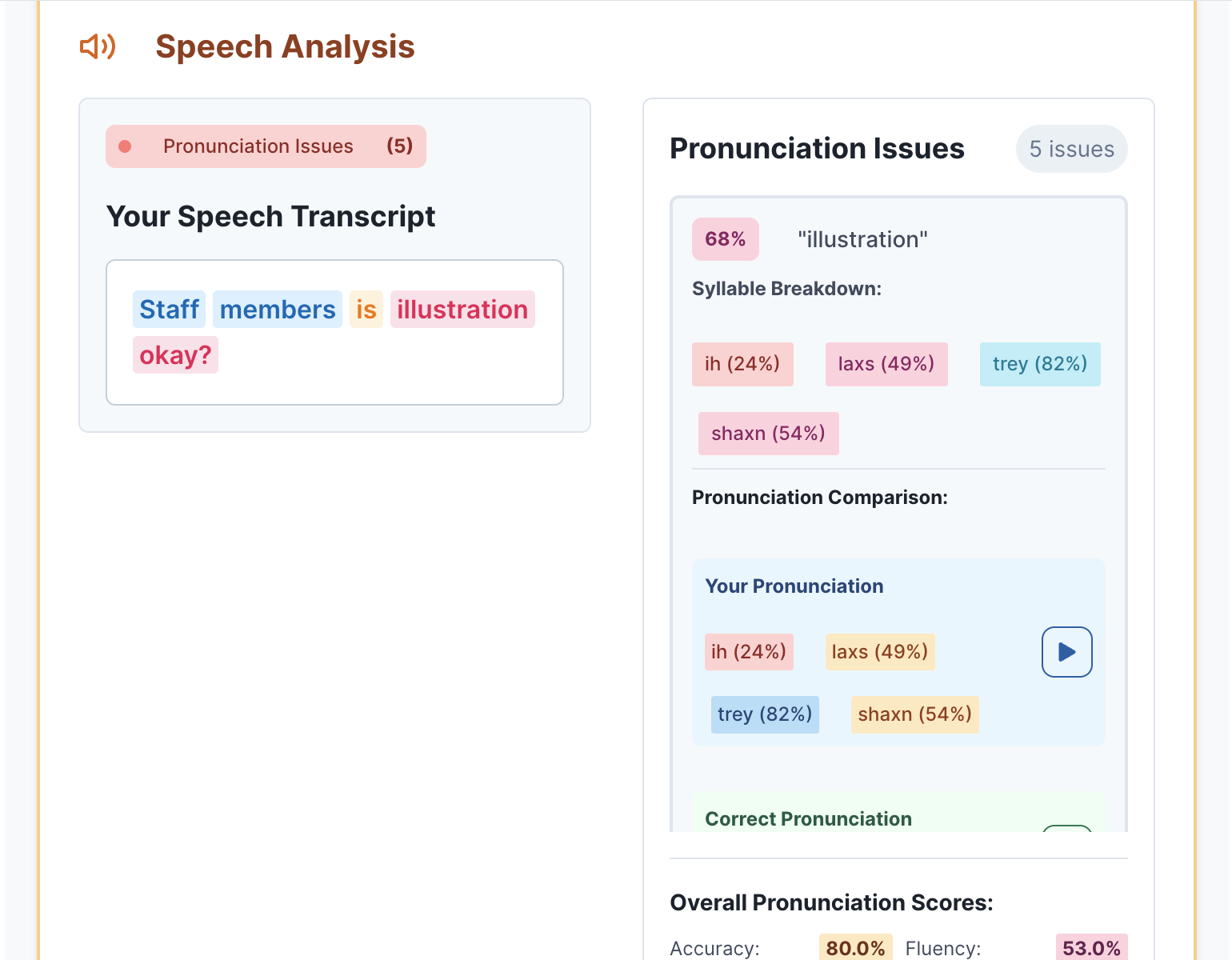 Speech Analysis
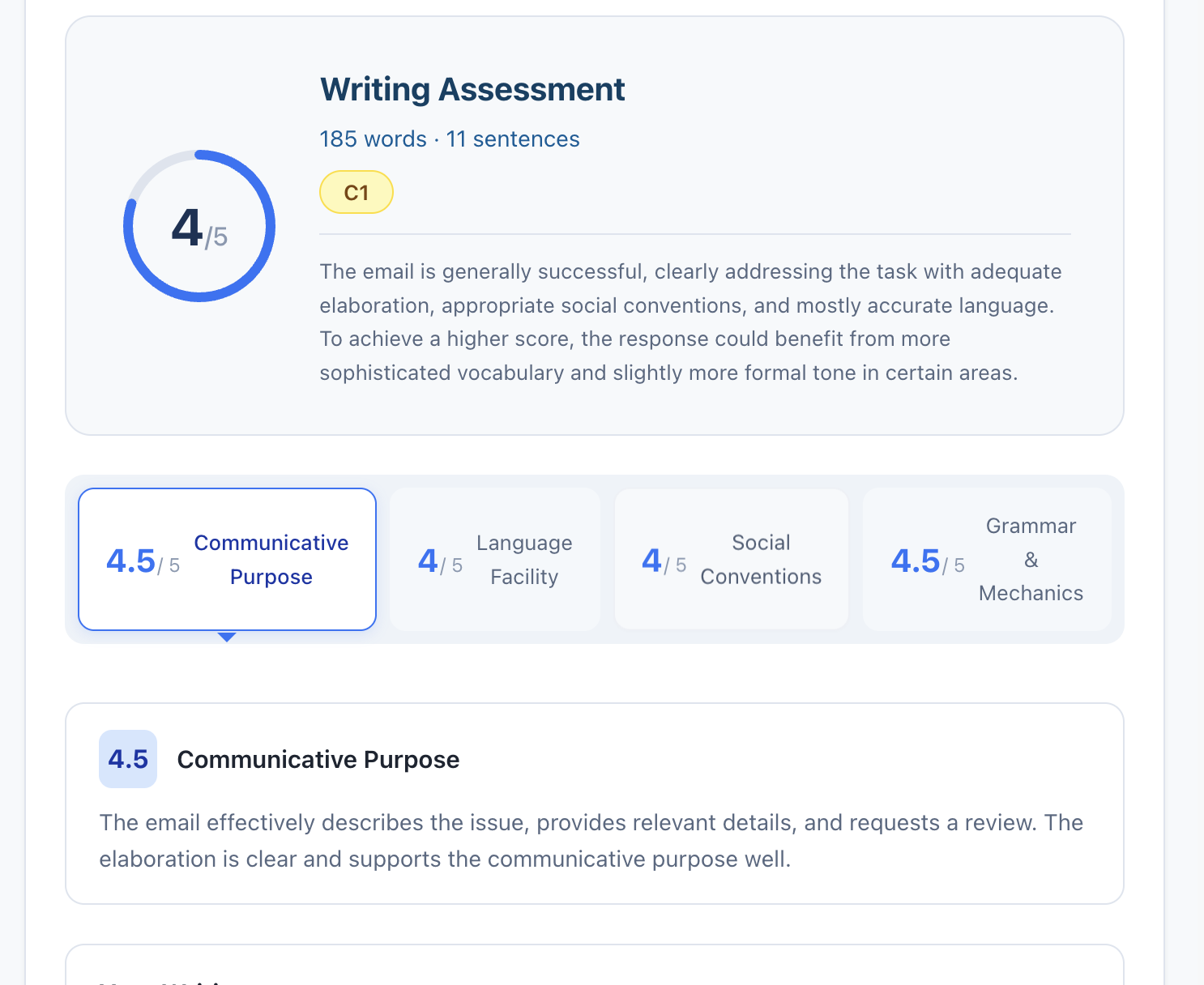 AI Writing Score
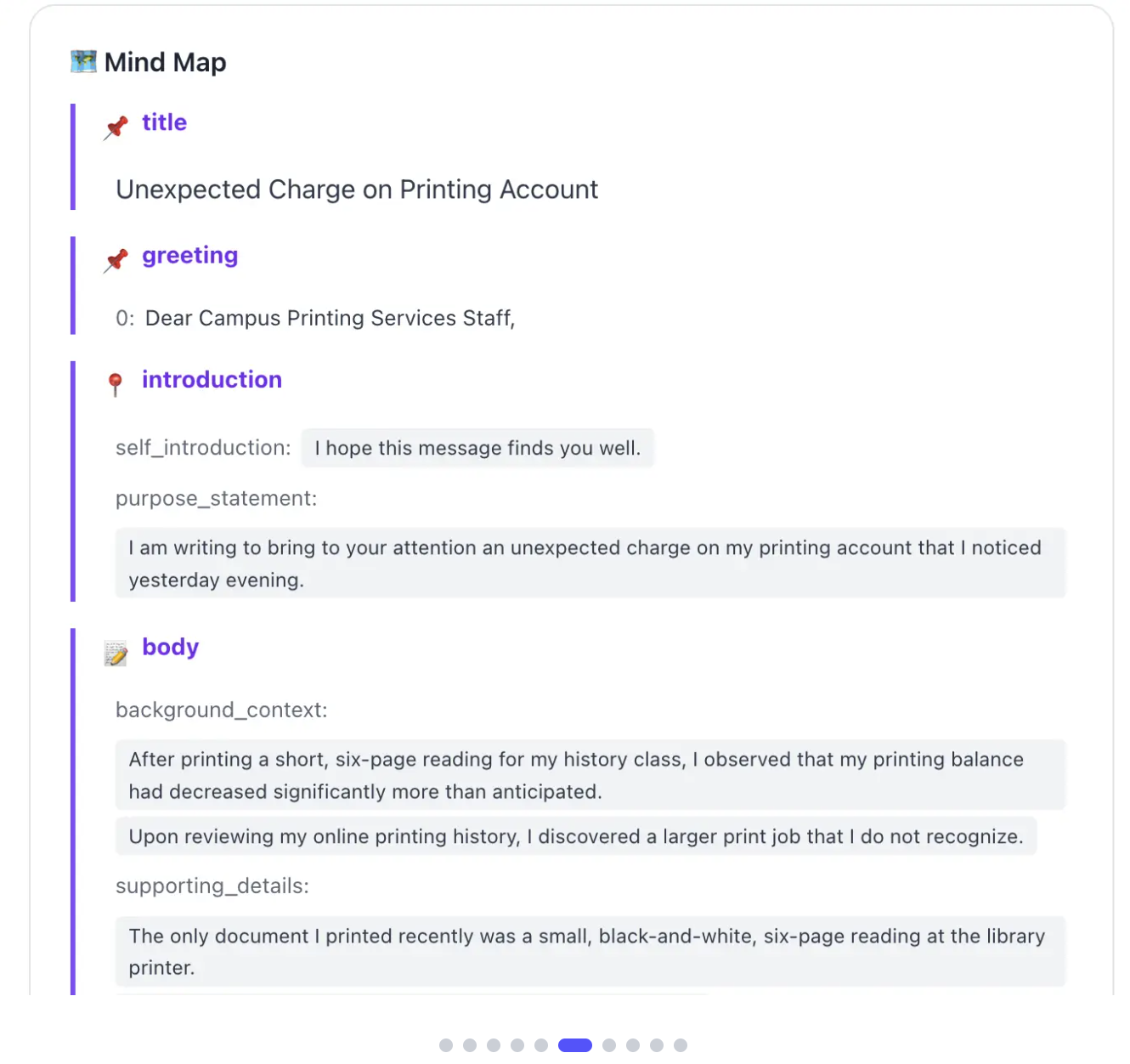 Article Structure Feedback
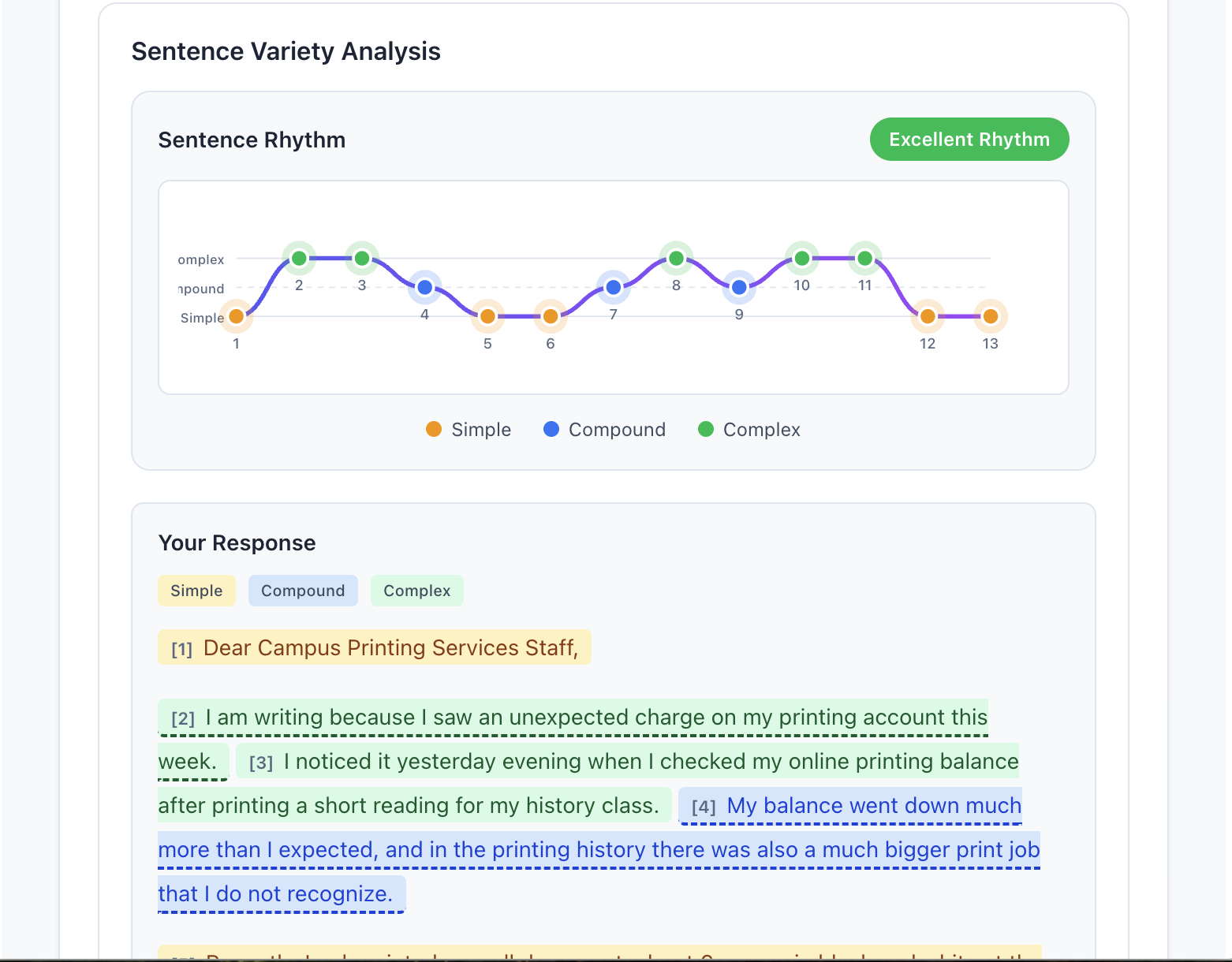 Sentence Variety
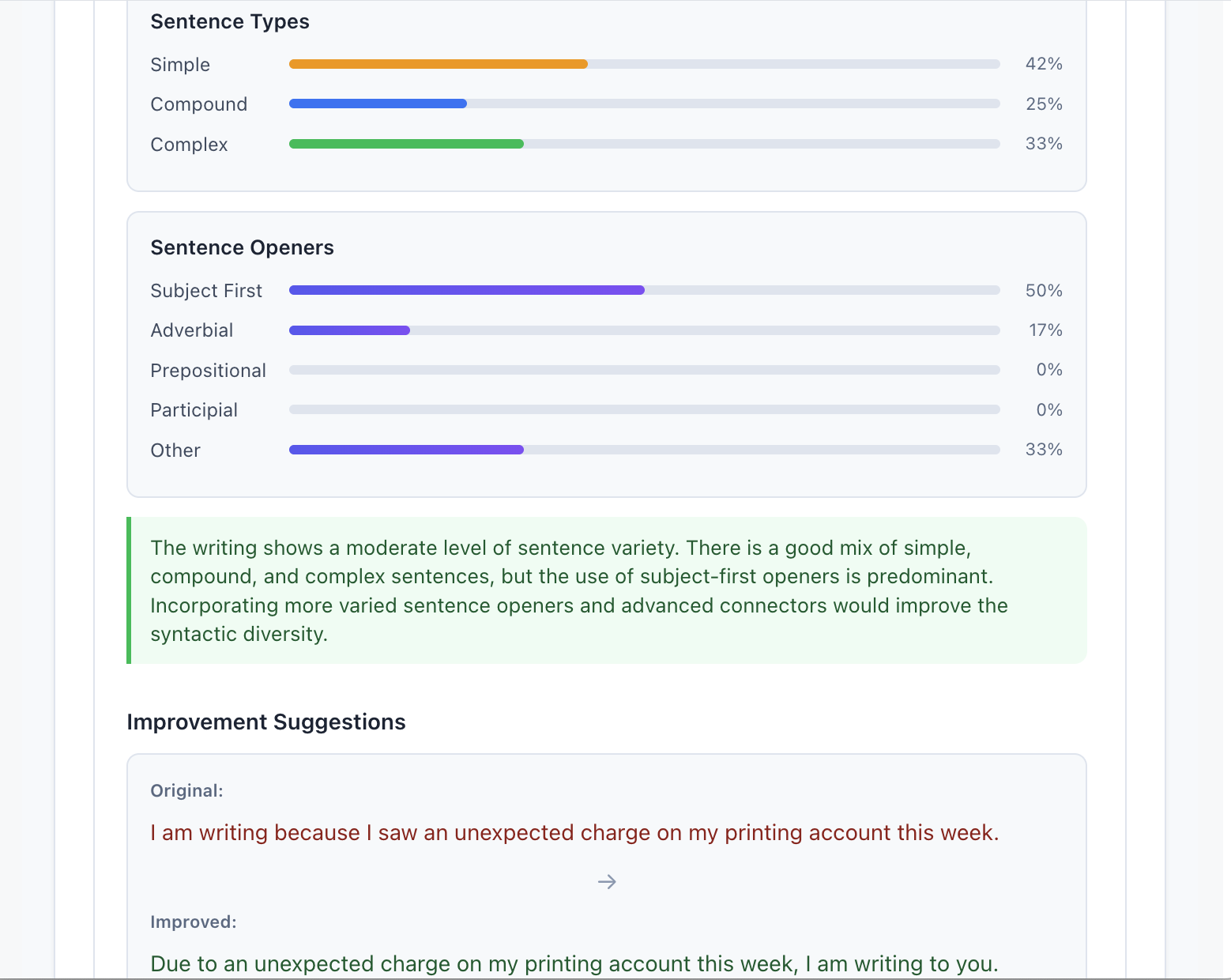 Improvement Suggestions
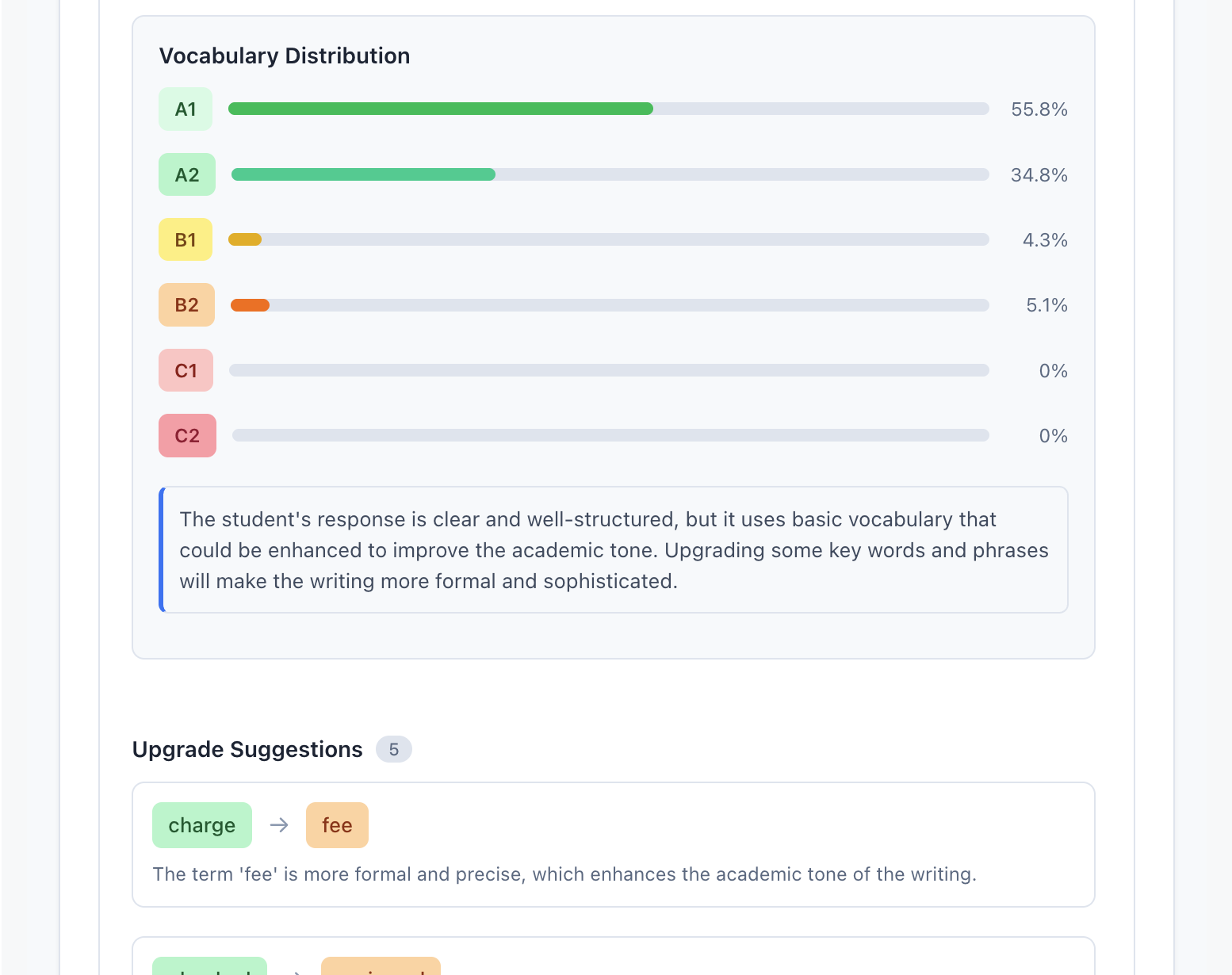 Vocabulary Feedback
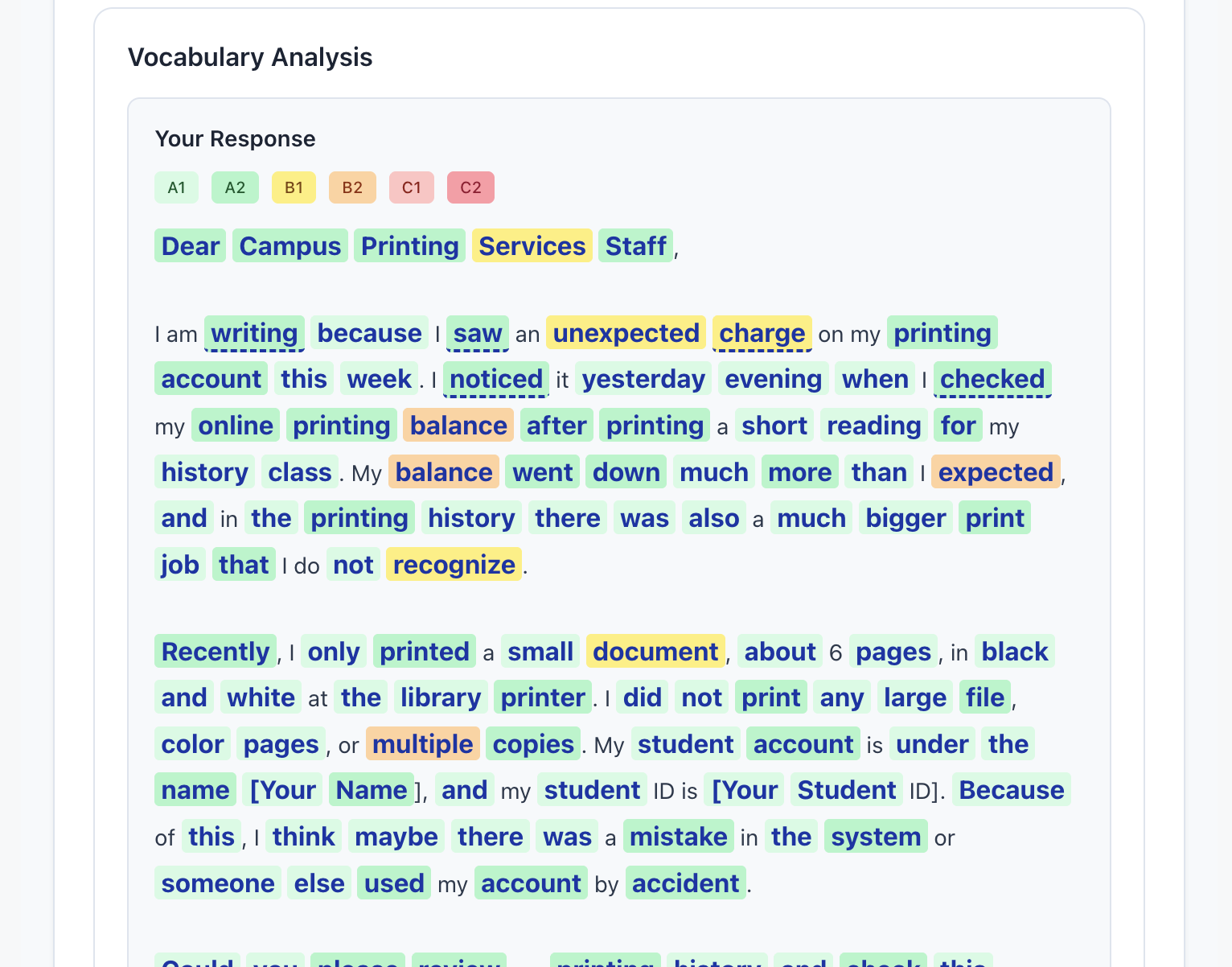 Vocabulary Analysis
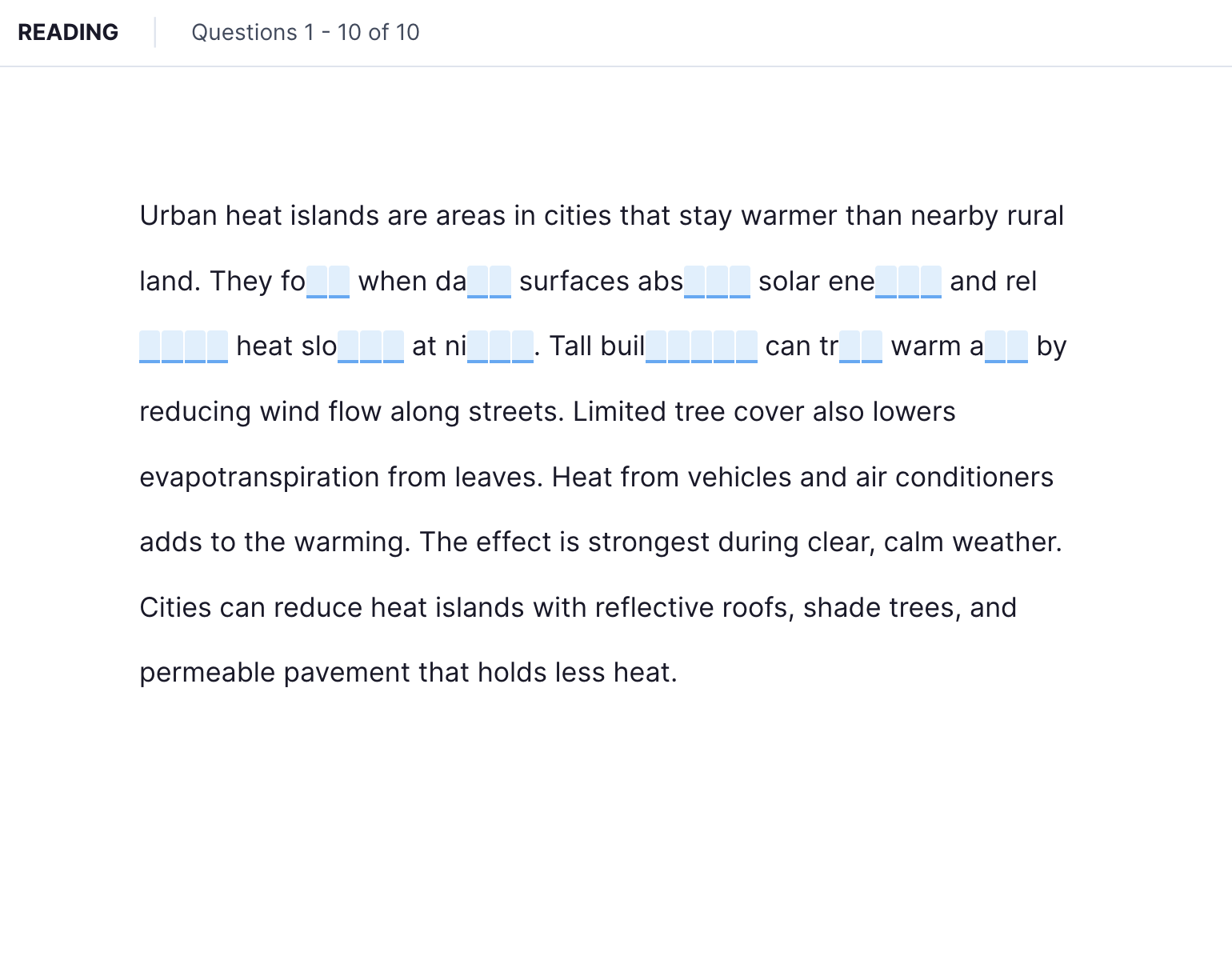 TOEFL 26 New: Reading
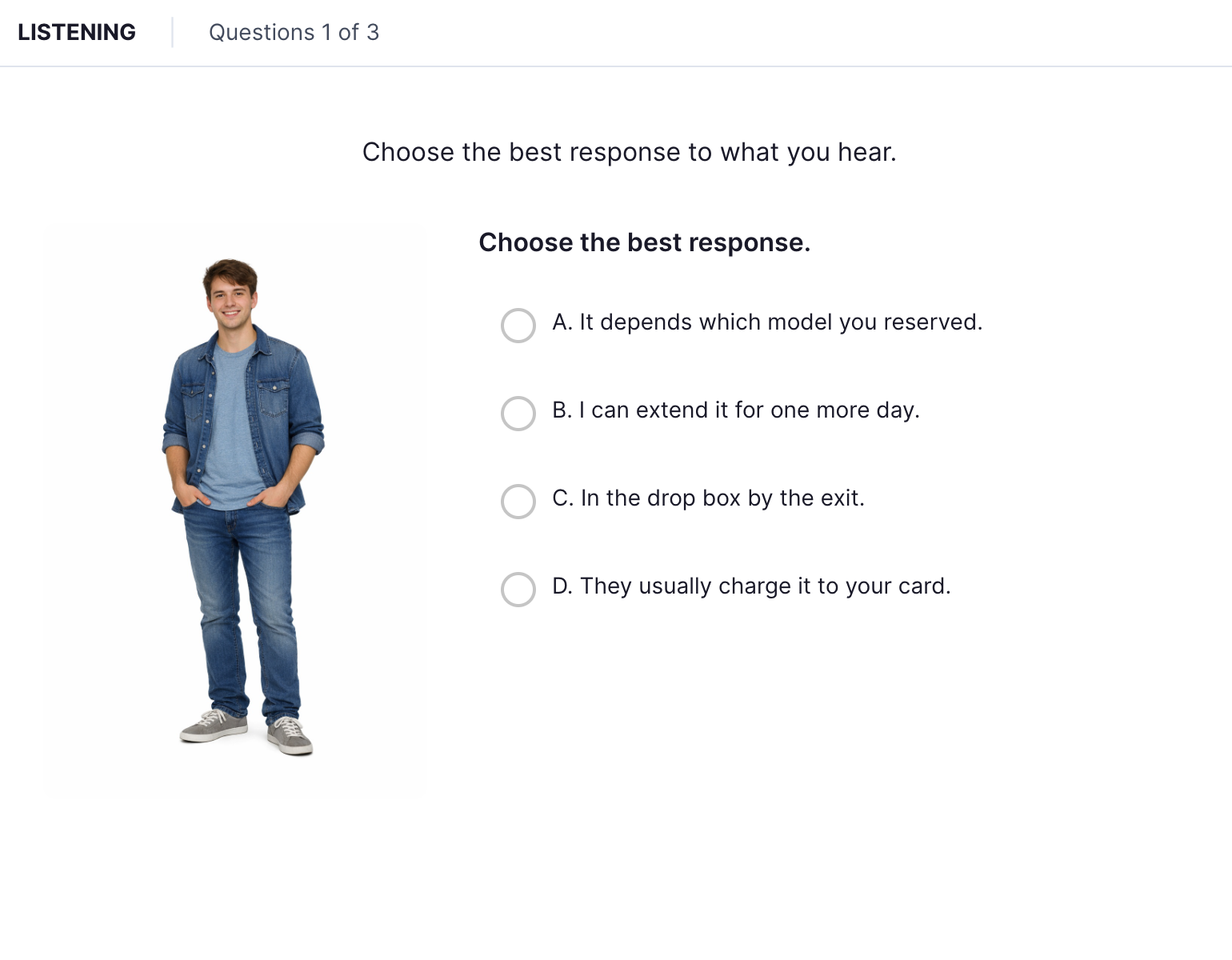 TOEFL 26 New: Listening
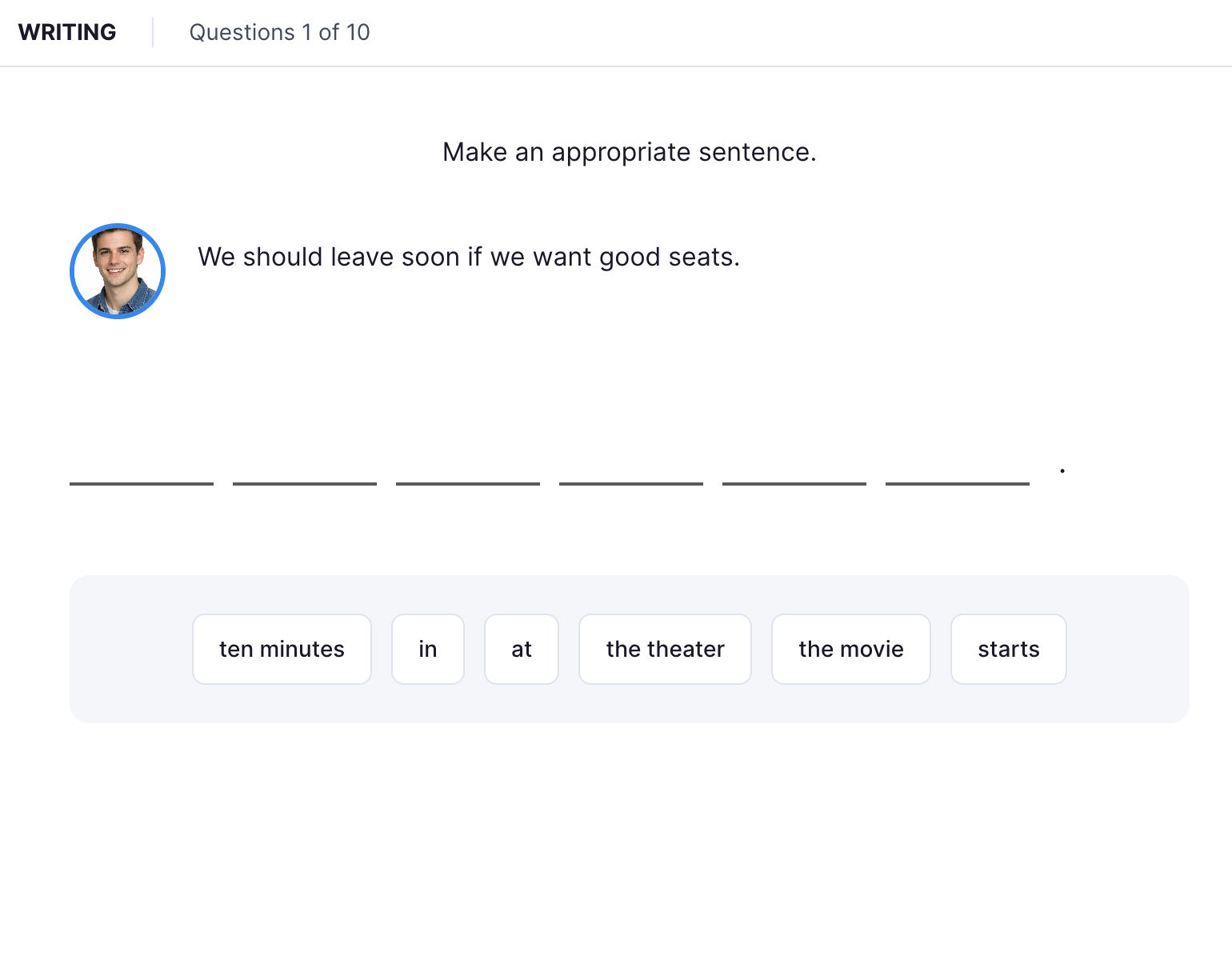 TOEFL 26 New: Writing
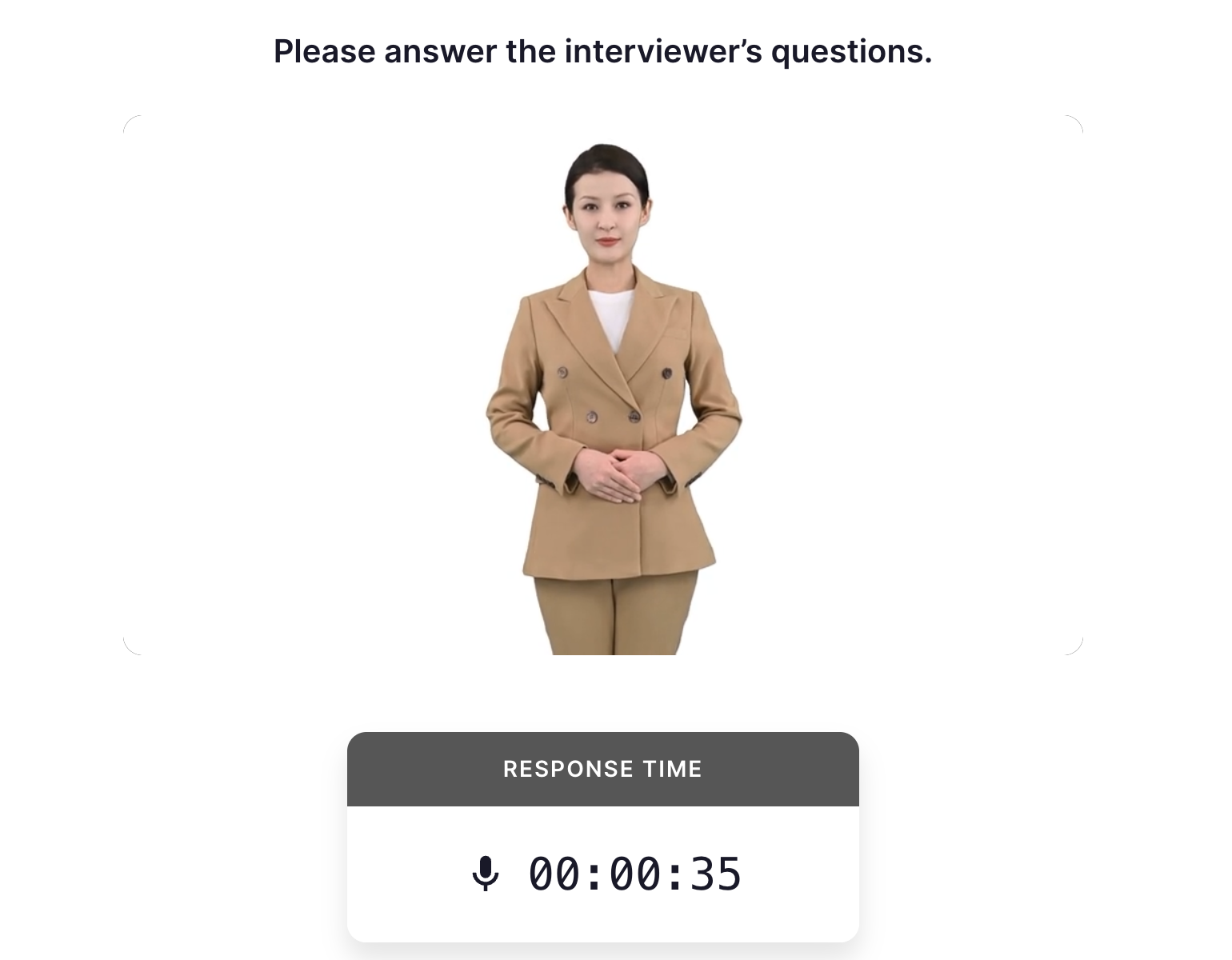 TOEFL 26 New: Speaking
Every TOEFL 2026 mock test in Lingoleap
These are the full-length mock tests the Lingoleap practice app publishes today, listed exactly as they appear inside it. Each one runs all four TOEFL 2026 sections in a single timed sitting, and each name below opens that test in the app.
104 published full-length mock tests · three sets
- Free with account16 tests
- Plus or Premium15 tests
- Premium73 tests
Access states are the app's own. It marks New TPO and Latest Questions Premium, and describes PQ26-16 to PQ26-30 as included with Plus and Premium; the rest of Practice Questions opens once you create a free account.
Practice Questions (PQ26)
Mixed access31 full-length tests
PQ26-1 to PQ26-15 and PQ26-75 open with a free account. PQ26-16 to PQ26-30 are the range the app sells as part of Plus and Premium.
- PQ26-1Take test →Free with account
- PQ26-2Take test →Free with account
- PQ26-3Take test →Free with account
- PQ26-4Take test →Free with account
- PQ26-5Take test →Free with account
- PQ26-6Take test →Free with account
- PQ26-7Take test →Free with account
- PQ26-8Take test →Free with account
- PQ26-9Take test →Free with account
- PQ26-10Take test →Free with account
- PQ26-11Take test →Free with account
- PQ26-12Take test →Free with account
- PQ26-13Take test →Free with account
- PQ26-14Take test →Free with account
- PQ26-15Take test →Free with account
- PQ26-16Take test →Plus or Premium
- PQ26-17Take test →Plus or Premium
- PQ26-18Take test →Plus or Premium
- PQ26-19Take test →Plus or Premium
- PQ26-20Take test →Plus or Premium
- PQ26-21Take test →Plus or Premium
- PQ26-22Take test →Plus or Premium
- PQ26-23Take test →Plus or Premium
- PQ26-24Take test →Plus or Premium
- PQ26-25Take test →Plus or Premium
- PQ26-26Take test →Plus or Premium
- PQ26-27Take test →Plus or Premium
- PQ26-28Take test →Plus or Premium
- PQ26-29Take test →Plus or Premium
- PQ26-30Take test →Plus or Premium
- PQ26-75Take test →Free with account
New TPO (TPO26)
Premium8 full-length tests
The app describes this set as exam-grade practice built for the 2026 format.
Latest Questions (EQ26)
Premium65 full-length tests
The app describes this set as its newest question sets, updated continuously.
- EQ26-1Take test →Premium
- EQ26-2Take test →Premium
- EQ26-3Take test →Premium
- EQ26-4Take test →Premium
- EQ26-5Take test →Premium
- EQ26-6Take test →Premium
- EQ26-7Take test →Premium
- EQ26-8Take test →Premium
- EQ26-9Take test →Premium
- EQ26-10Take test →Premium
- EQ26-11Take test →Premium
- EQ26-12Take test →Premium
- EQ26-13Take test →Premium
- EQ26-14Take test →Premium
- EQ26-15Take test →Premium
- EQ26-16Take test →Premium
- EQ26-17Take test →Premium
- EQ26-18Take test →Premium
- EQ26-19Take test →Premium
- EQ26-20Take test →Premium
- EQ26-21Take test →Premium
- EQ26-22Take test →Premium
- EQ26-23Take test →Premium
- EQ26-24Take test →Premium
- EQ26-25Take test →Premium
- EQ26-26Take test →Premium
- EQ26-27Take test →Premium
- EQ26-28Take test →Premium
- EQ26-29Take test →Premium
- EQ26-30Take test →Premium
- EQ26-31Take test →Premium
- EQ26-32Take test →Premium
- EQ26-33Take test →Premium
- EQ26-34Take test →Premium
- EQ26-35Take test →Premium
- EQ26-36Take test →Premium
- EQ26-37Take test →Premium
- EQ26-38Take test →Premium
- EQ26-39Take test →Premium
- EQ26-40Take test →Premium
- EQ26-41Take test →Premium
- EQ26-42Take test →Premium
- EQ26-43Take test →Premium
- EQ26-44Take test →Premium
- EQ26-45Take test →Premium
- EQ26-46Take test →Premium
- EQ26-47Take test →Premium
- EQ26-48Take test →Premium
- EQ26-49Take test →Premium
- EQ26-50Take test →Premium
- EQ26-51Take test →Premium
- EQ26-52Take test →Premium
- EQ26-53Take test →Premium
- EQ26-54Take test →Premium
- EQ26-55Take test →Premium
- EQ26-56Take test →Premium
- EQ26-58Take test →Premium
- EQ26-59Take test →Premium
- EQ26-60Take test →Premium
- EQ26-61Take test →Premium
- EQ26-62Take test →Premium
- EQ26-63Take test →Premium
- EQ26-64Take test →Premium
- EQ26-65Take test →Premium
- EQ26-66Take test →Premium
Each link opens that exact test in the practice app. The app asks you to sign in first, and tests marked Plus or Premium need the matching plan.
What one mock test contains
The app records a task-type list for every mock test. All four sections appear in all of them:
Reading
- Complete the Words
- Read in Daily Life
- Read an Academic Passage
Listening
- Listen and Choose a Response
- Conversation
- Announcement
- Academic Talk
Speaking
- Listen and Repeat
- Take an Interview
Writing
- Build a Sentence
- Write an Email
- Write for an Academic Discussion
One exception, listed rather than rounded away: TPO26-6 carries no Build a Sentence task. The other 103 tests carry the full task-type list.
Test names, counts and access states read from the practice app's own question list, route table and gate on 18 September 2026. Nothing on this list is an estimate. Lingoleap reports a practice band, not an official ETS score.
什么是托福26模考?
托福26模考是专为2026年1月21日全新改版的TOEFL iBT考试设计的模拟测试。
新托福在阅读、听力、写作和口语四个部分引入了12种全新题型,阅读和听力采用多阶段自适应测试,并启用与CEFR对标的1-6分新评分标准。
为了有效备考,考生需要能够反映新考试结构、涵盖全部12种题型并匹配最新评分体系的模拟测试。
LingoLeap提供的托福26模考,高度还原真实考试体验,帮助考生全面备战新托福。
2026年新托福考试形式
2026年新托福考试由4个部分组成:阅读、听力、写作和口语。预计总考试时间不超过2小时。考试时间不包括指令说明时间。由于自适应机制,实际考试时间和题目数量可能有所不同。
阅读
约30分钟
约50道题
分两个模块的多阶段自适应测试
听力
约29分钟
约47道题
分两个模块的多阶段自适应测试
写作
约23分钟
12道题
线性模式——所有考生作答相同题目
口语
约8分钟
11道题
线性模式——所有考生作答相同题目
2026年新托福全部题型一览
阅读
- 补全单词
- 日常生活阅读
- 学术文章阅读
8种提问方式:事实与否定事实题、词汇题、选择句子题、句子简化题、指代题、推理题、修辞目的题、插入文本题
听力
- 听力选择应答
- 听对话
- 听通知
- 听学术讲座
6种提问方式:主旨题、事实题、推理题、目的题、方法题、态度题
写作
- 造句组合
- 写邮件
- 学术讨论写作
线性模式——根据交际目的、句法结构、用词选择、社交礼仪和语言准确性评分
口语
- 听后复述
- 模拟面试
线性模式——根据表达能力(清晰度、流利度)、语言运用(语法、词汇)和内容阐述进行评分
阅读和听力部分采用多阶段自适应测试——你在模块1中的表现将决定模块2的难度等级。这种机制带来更加个性化的考试体验,能够更高效、更准确地衡量你的实际能力。
为什么选择LingoLeap托福26模考
大多数托福备考材料仍然基于旧版考试形式。LingoLeap专为2026年新托福量身打造。
 100+ 套全真模拟测试,涵盖全部12种TOEFL 2026官方题型
- 10,000+ 道可作答题目,每月更新新题
- 多阶段自适应阅读和听力,高度还原真实考试体验
- 口语和写作AI智能评分,基于 ETS 公开评分标准
大多数备考资源还在为旧托福做准备,LingoLeap帮你备战新托福。
全面覆盖TOEFL 2026所有题型
每套LingoLeap托福26模考都涵盖四个部分的全部12种官方题型,与真实考试完全一致。
阅读
- 补全单词
在学术短文中还原缺失的单词部分
- 日常生活阅读
阅读邮件、通知或社交媒体帖子等实用文本
- 学术文章阅读
阅读一篇约200词的学术短文并回答5道题
听力
- 听力选择应答
听一段简短的提问或陈述,从4个选项中选择最佳回答
- 听对话
回答关于两人校园生活短对话的问题
- 听通知
回答关于课堂或校园活动通知的问题
- 听学术讲座
回答关于各学科短篇学术讲座的问题
写作
- 造句组合
在简短对话中重新排列词语和短语以组成完整句子
- 写邮件
根据特定目的撰写邮件,如推荐、邀请或提出解决方案
- 学术讨论写作
阅读教授的帖子和2名学生的回复,然后撰写自己的观点(100字以上)
口语
- 听后复述
复述7个难度递增的口语句子
- 模拟面试
在模拟学术对话中回答4道面试问题(每题45秒)
多阶段自适应测试——完全模拟真实TOEFL 2026
LingoLeap模考还原TOEFL 2026真实的多阶段自适应测试结构。你在模块1的表现决定模块2的难度,与正式考试完全一致。
真实考试流程
体验与TOEFL 2026正式考试相同的自适应流程——模块1的表现决定模块2的难度
多难度等级练习
同时练习较易和较难的模块,在各个难度等级建立信心和准确度
真实成绩评估
通过自适应评分逻辑和原始分到标准分的转换,了解你的真实分数潜力
准确性与透明度
这份托福模考分数有多准?
每家模考网站都说自己的分数很准,却几乎没有一家说明分数是怎么算出来的、哪些环节真正验证过。下面是LingoLeap的完整回答——包括我们尚未验证的部分。
我们已知的
- 阅读和听力按固定答案判分,这两个分数段的可靠程度取决于题目与真实考试的接近程度。
- 写作和口语的每道作答由语言模型依据ETS公开评分标准中的各维度打0–5分,即上方口语与写作评分部分列出的那些标准。
- 报告中的每个分数段都由同一套固定规则得出(即本页下方列出的表格与公式),相同的作答一定得到相同的分数段。
我们尚未验证的
- 我们尚未发布LingoLeap分数段与学员官方ETS成绩单的对比数据。在经过核实的样本足够大之前,我们不会引用任何相关系数、准确率百分比或误差范围——那样的数字只能是编造的。
- ETS没有公布2026新托福的原始分到分数段换算表。我们的阅读、听力换算表是LingoLeap的估算,下方已明确标注。
- 真实考试通过项目反应理论(IRT)对不同试卷和自适应路径进行等值;我们的引擎使用更简单的查表法。两者可能不一致,最可能出现在分数段边界。
如何使用这个估算分
- 把一次模考的分数段当作一个区间,而不是一个点。先看各部分分数段及其下方的题型正确率——它们最先变化,也是可以针对性练习的。
- 每隔两到三周做一次模考,用三到五次模考看趋势,而不是用一次成绩下结论。
- 申请时只有ETS成绩算数。用分数计算器对照目标院校公布的最低要求,把最后一次模考当作彩排,而不是预测。
我们将来发布校准数据所用的方法——统计谁、统计哪次模考、排除哪些情况——已经写在“工作原理”页面上。等经过核实的样本存在后,数据会连同样本量一起在那里公布。
查看校准方法 →想知道2026新托福整体上该信任谁的AI?AI导师指南解释了ETS自己的SpeechRater与e-rater引擎如何率先给口语和写作评分,以及如何针对AI评分进行演练。
2026新托福如何由AI评分 →我们的自适应模考如何运作
LingoLeap模考中的阅读和听力采用两阶段结构,即ETS对真实考试的描述。下面是我们的引擎具体做了什么,以及——分开来说——ETS说过什么、没说过什么。
在LingoLeap模考中
- 1
路由模块
每个考生在每个部分都从同一个路由模块开始。
- 2
路由分流
路由模块的表现决定你进入较低或较高难度的第二阶段模块。两个模块的构成不同,因此每次模考看到的题量会有差异。分流阈值是引擎设置,本页不公布。
- 3
一张按高难度模块定义的分数段表
两个阶段的正确题数相加,归一化到35分制,再查该部分的分数段表。该表按高难度模块定义。
- 4
低难度模块的调整
被分流到低难度模块的考生,在相同归一化分数下沿表下移一档。因此在我们的引擎中,低难度路径无法达到最高分数段——这是LingoLeap的简化处理,不是ETS的规则,也是我们的评分刻意比真实考试更保守的唯一之处。
自适应分流:ETS公布了什么 vs 备考网站断言了什么
| 问题 | ETS公布的内容 | 备考网站的断言 |
|---|---|---|
| 结构 | 阅读和听力“设计为两阶段自适应测试”;写作和口语为线性,同一套试卷的所有考生做相同任务(2026考试蓝图,注5)。 | 相同。这一点没有争议。 |
| 分流 | “根据第一个模块的表现,考生将获得第二个模块,其题目难度与其能力水平相匹配。”未公布分流阈值(教师FAQ,第9问)。 | 具体阈值,如“前十题答错就会被分流到低难度”——没有一个引用ETS来源。 |
| 分数如何产生 | 部分分数“考虑两个阶段或模块中答对的题目总数以及题目的难度水平”,并通过IRT等值转换,使报告分数“反映相同的语言能力水平,无论考生做的是哪个第二阶段”(教师FAQ)。 | 对两条路径套用同一张固定换算表,或对较易路径一律扣分。 |
| 所谓“上限” | ETS没有为低难度模块设定最高分数段。它说“最终分数基于两个阶段”,且题目难度已被计入——这意味着较易的题目分值较低,而不是某个分数段被禁止。低难度模块在实际中能否达到6.0,ETS同样没有公布。 | “较易的第二阶段即使全对也封顶在4.0”或“低于5.0”——各家数字不一,没有一家引用ETS。 |
| 不计分题 | 阅读和听力的题量“包含不计分题”,用于为未来试卷收集数据(蓝图,注1)。 | 很少提及;题量通常按每题都计分来引用。 |
ETS来源: TOEFL iBT 2026考试蓝图与规范(PDF) · TOEFL iBT改版教师FAQ(PDF)
引文摘自上述两份ETS文件,阅读日期为2026年9月16日。本页所说“ETS未公布”,指我们在这两份文件和ets.org上都没有找到,并不表示内部不存在这样的规则。
分数段如何产生:逐部分说明
从你的作答到1–6分数段的完整路径,没有任何隐藏。这就是我们的成绩报告所遵循的规则。
Reading
评分方式: 标准答案- 1每道题与标准答案比对:对或错,没有部分得分。
- 2路由模块与第二阶段模块的正确题数相加,按35分制归一化:分值 = round(正确数 ÷ 题数 × 35)。
- 3用该分值查下方的阅读分数段表。低难度模块下移一档。
Listening
评分方式: 标准答案- 1与阅读相同的标准答案判分和35分制归一化。
- 2听力表有自己的边界:阅读80%正确率是5.0,而听力71%正确率是4.5。这就是两个部分正确率相近却显示不同分数段的原因。
Writing
评分方式: 标准答案 + AI- 1Build a Sentence:每题按可接受的词序判对错,不涉及模型。
- 2Write an Email 和 Write for an Academic Discussion:每篇作答由语言模型依据该任务的ETS评分标准各维度打0–5分。
- 3部分分数段 = (所得分 ÷ 总分) × 5 + 1,四舍五入到0.5。
Speaking
评分方式: AI- 1Listen and Repeat(7题)和 Take an Interview(4题):录音先转写并测量发音与流利度,再由模型依据评分标准各维度对每道作答打0–5分。
- 2部分分数段 = (所得分 ÷ 总分) × 5 + 1,四舍五入到0.5。
总分数段 = 四个部分分数段的算术平均,四舍五入到0.5。报告中的0–120“传统分”是各部分正确率折算到0–30后相加,仅用于对照仍沿用旧分制的院校页面。
原始正确数到分数段:阅读与听力
LingoLeap估算——非ETS官方表依据:这是我们成绩报告实际使用的查表,按35分制归一化定义(分值 = round(正确数 ÷ 题数 × 35))。ETS没有公布2026新托福的原始分换算表,真实成绩还会按试卷和模块难度做IRT等值,因此表中每个分数段都只是练习估算。“约正确率”列为分值区间除以35。
Reading
| 分数段 | 分值(满分35) | 约正确率 |
|---|---|---|
| 6.0 | 34–35 | ≈ 97–100% |
| 5.5 | 32–33 | ≈ 91–94% |
| 5.0 | 28–31 | ≈ 80–89% |
| 4.5 | 25–27 | ≈ 71–77% |
| 4.0 | 18–24 | ≈ 51–69% |
| 3.5 | 12–17 | ≈ 34–49% |
| 3.0 | 8–11 | ≈ 23–31% |
| 2.5 | 7 | ≈ 20% |
| 2.0 | 6 | ≈ 17% |
| 1.0 | 0–5 | ≈ 0–14% |
Listening
| 分数段 | 分值(满分35) | 约正确率 |
|---|---|---|
| 6.0 | 34–35 | ≈ 97–100% |
| 5.5 | 32–33 | ≈ 91–94% |
| 5.0 | 29–31 | ≈ 83–89% |
| 4.5 | 25–28 | ≈ 71–80% |
| 4.0 | 23–24 | ≈ 66–69% |
| 3.5 | 18–22 | ≈ 51–63% |
| 3.0 | 13–17 | ≈ 37–49% |
| 2.5 | 11–12 | ≈ 31–34% |
| 2.0 | 8–10 | ≈ 23–29% |
| 1.5 | 6–7 | ≈ 17–20% |
| 1.0 | 0–5 | ≈ 0–14% |
样例报告中的实例:阅读35题对28题 → 28分 → 5.0;听力45题对32题 → 24.9,四舍五入为25分 → 4.5。
低难度模块:相同分值下沿表下移一档。
Try TOEFL Practice Test Questions Now
Warm up with these free sample questions modeled on the 2026 TOEFL iBT — one from each section. Reveal the answer and explanation, then start a full-length practice test when you are ready.
Read the short academic passage, then answer the question.
Bioluminescence — the production of light by living organisms — is common in the deep ocean, where sunlight never reaches. Many creatures use it to attract prey, confuse predators, or signal to potential mates. The light is produced by a chemical reaction between a molecule called luciferin and the enzyme luciferase. Because the reaction gives off almost no heat, scientists describe the light as "cold light."
According to the passage, why is bioluminescent light described as "cold light"?
- AIt is only found in cold, deep water.
- BThe chemical reaction releases very little heat.
- CIt appears blue rather than red or orange.
- DIt is produced only at night.
▸Show answer & explanation
Answer: B — The chemical reaction releases very little heat.
The final sentence states the reaction "gives off almost no heat," which is why it is called cold light. Option A confuses where the organisms live with why the light is cold; C and D add details the passage never mentions. Factual questions like this reward locating the exact supporting sentence rather than relying on outside knowledge.
Type the missing letters to complete the word so the sentence makes sense.
Regular exercise can signi______ reduce the risk of heart disease.
▸Show answer & explanation
Answer: significantly
"Complete the Words" gives you the first letters and the length of a word and asks you to finish it from context. Here the sentence needs an adverb describing how much exercise reduces risk — "significantly." Read the whole sentence first, decide the part of speech, then fit a word that starts with the letters shown.
On the real test you would hear this talk once. Read the transcript excerpt, then answer.
Professor: "So when we talk about the 'urban heat island' effect, we mean that cities tend to be several degrees warmer than the countryside around them. The main reason is surface material. Asphalt and concrete absorb heat during the day and release it slowly at night — unlike soil and vegetation, which cool down much faster. That's why a city can still feel warm hours after sunset."
What is the main cause of the urban heat island effect, according to the professor?
- ACities are located in naturally warmer regions.
- BBuildings block cooling wind from reaching streets.
- CPaved surfaces absorb and slowly release heat.
- DThere are more people generating body heat.
▸Show answer & explanation
Answer: C — Paved surfaces absorb and slowly release heat.
The professor names surface material — asphalt and concrete absorbing heat and releasing it slowly — as "the main reason." The other options are plausible-sounding distractors the talk never states. In the Listening section, note the speaker's signal phrases ("the main reason is…") to catch the point being tested.
Put the words and phrases in the correct order to form a grammatical sentence.
[ the deadline / because / the library / she / was approaching / stayed late at ]
▸Show answer & explanation
Answer: She stayed late at the library because the deadline was approaching.
"Build a Sentence" tests control of English word order and clause structure. Start with the subject ("She"), add the main verb phrase ("stayed late at the library"), then attach the reason clause introduced by "because." Checking that subject, verb, and connector line up is usually enough to place every chunk.
You have 45 seconds to answer. There is no single correct response — a strong answer is clear, on-topic, and supported with a reason or example.
Some students prefer to study in the morning, while others prefer the evening. Which do you prefer, and why?
▸Show answer & explanation
Answer: Sample strong response (outline)
Take a clear position, give one reason, and support it with a specific example: "I prefer studying in the morning because my mind is freshest right after I wake up. For instance, I can read a difficult chapter in thirty minutes in the morning, but the same chapter takes me an hour at night when I'm tired." Scoring rewards delivery (clear, fluent speech), language use (accurate grammar and vocabulary), and elaboration (a developed, on-topic idea) — so commit to one answer and develop it rather than listing both options.
These are original Lingoleap practice items built to mirror the 2026 TOEFL iBT task types. They are for practice only and are not real ETS test questions; Lingoleap is independent of and not endorsed by ETS.
Practice TOEFL by Section
A full-length mock test measures readiness, but targeted section practice is how you fix specific weaknesses. Drill any of the four sections and all 12 task types below.
Reading
Adaptive passages and the three 2026 reading task types.
Listening
Conversations, announcements, and academic talks with adaptive difficulty.
Speaking
Listen and Repeat plus the academic interview, with AI delivery feedback.
Writing
Build a Sentence, Write an Email, and Write for an Academic Discussion.
100+ 套托福26全真模考——每月持续更新
100+ 套完整的TOEFL 2026模考,覆盖10,000+道可作答题目。每月新增模考试题,助你持续使用最新材料进行备考练习。
- 100+套TOEFL 26全真模拟测试
- 10,000+ 道可作答题目,覆盖四个部分
- 所有测试均对标最新TOEFL 2026考试形式和题型
- 每月新增模考试题
- 覆盖全部4个部分和12种题型
如何开始托福26模考
创建账号
免费注册,即得1,000+免费题和200个AI批改积分
选择模考
从100+套TOEFL 26全真模考中选择
开始练习
在真实考试环境下完成模考
查看成绩与反馈
获取AI智能评分和详细的成绩分析报告
常见问题
关于托福26模考你需要知道的一切
2026年新托福有哪些变化?
TOEFL 2026于2026年1月21日推出,是一次全面改版。阅读和听力部分引入了多阶段自适应测试,模块1的表现决定模块2的难度。写作和口语采用线性模式(所有考生作答相同题目)。考试包含12种全新题型,采用与CEFR对标的1-6分新评分标准。总考试时间不超过2小时。
2026年新托福有多少种题型?
新托福2026共有4个部分12种题型:阅读3种(补全单词、日常生活阅读、学术文章阅读),听力4种(听力选择应答、听对话、听通知、听学术讲座),写作3种(造句组合、写邮件、学术讨论写作),口语2种(听后复述、模拟面试)。
LingoLeap提供多少套托福26模考?
LingoLeap目前提供100+套TOEFL 26全真模拟测试(共10,000+道可作答题目),并每月新增模考试题。每套测试涵盖四个部分的所有官方题型,完全符合TOEFL 2026考试形式。免费注册即可练习1,000+道免费题,并获赠200个AI批改积分。
LingoLeap是否模拟多阶段自适应测试?
是的。LingoLeap是少数能够模拟TOEFL 2026阅读和听力部分多阶段自适应测试结构的平台之一。你在模块1的表现会影响模块2的难度,与正式考试完全一致。
口语和写作的AI评分是如何运作的?
LingoLeap的AI评分系统基于ETS公开评分量表对你的作答进行评估(每题采用0-5分整体评分制)。口语方面,听后复述根据复述准确度、可理解度和发音进行评分;模拟面试根据表达能力(清晰度、流利度、语速)、语言运用(语法、词汇)和内容阐述(切题度、论据支撑)进行评分。写作方面,写邮件根据交际目的、句法多样性与地道用词、社交礼仪(礼貌程度、语域)和词汇语法准确性进行评分;学术讨论写作根据切题度与论述充分性、句法结构与用词以及词汇语法准确性进行评分。
LingoLeap模考和真实托福考试一样吗?
LingoLeap模考旨在高度还原真实的TOEFL 2026考试体验,包括新题型、多阶段自适应测试和考试计时。虽然没有任何模拟测试能与正式考试完全相同,但LingoLeap提供了目前市面上最接近真实TOEFL 2026的备考体验之一。
可以只练习单个部分而不做全套模考吗?
可以。除了全真模考外,LingoLeap还支持分部分练习——阅读、听力、口语或写作——让你可以专注于最需要提高的部分进行针对性训练。
LingoLeap的模考预估分准确吗?
阅读和听力按标准答案判分,分数段取决于题目与真实考试的接近程度。写作和口语的分数段来自语言模型依据ETS公开评分标准各维度对每道作答打的0–5分。我们尚未发布LingoLeap分数段与学员官方ETS成绩单的对比数据,因此不引用任何准确率数字——本页“这份模考分数有多准?”一节完整说明了每个分数段如何产生、哪些已验证、哪些尚未验证。这些均为练习预估分:官方TOEFL成绩仅由ETS发布,LingoLeap与ETS相互独立,未获得ETS官方背书。
如果被分流到较易的模块,我的分数段会被封顶吗?
在LingoLeap模考中,会有轻微影响:分数段表按高难度模块定义,低难度模块在同一分值下下移一档,因此较易路径无法达到最高分数段。这是我们的简化处理。在真实考试中,ETS表示分数基于两个阶段,并通过IRT等值计入题目难度;它没有公布低难度模块的最高分数段。备考网站引用的具体上限(“4.0”“低于5.0”)并非来自ETS。
阅读或听力要答对多少题才能拿到5分?
按LingoLeap的练习换算表,阅读5.0需要35分制中的28–31分(约80–89%正确率),听力5.0需要29–31分(约83–89%)。分值是把你的正确题数归一化到35分制的结果。这是LingoLeap的估算:ETS没有公布2026新托福的原始分换算表,且会对真实成绩做难度等值,官方换算可能不同。
一次全科模考需要多少积分?
一次全科模考消耗800积分,包含完整模考流程和阅读、听力、口语、写作的AI评分及综合成绩报告。新用户注册即送200个免费AI批改积分,阅读和听力练习不消耗积分。
Is the LingoLeap TOEFL mock test free?
Partly. Of the full-length tests listed on this page, PQ26-1 to PQ26-15 and PQ26-75 open with a free account; PQ26-16 to PQ26-30 are included with Plus and Premium, and the New TPO and Latest Questions sets are Premium. Every test asks you to sign in first. Reading and Listening practice never costs credits; a full mock test with AI scoring for all four sections costs 800 credits, and new accounts start with 200 free AI-feedback credits.
How long does a TOEFL mock test take?
Under 2 hours, matching the real TOEFL 2026: about 30 minutes of Reading, 29 of Listening, 23 of Writing and 8 of Speaking, not counting directions. Because Reading and Listening are multistage adaptive, the exact time and number of questions vary from sitting to sitting.